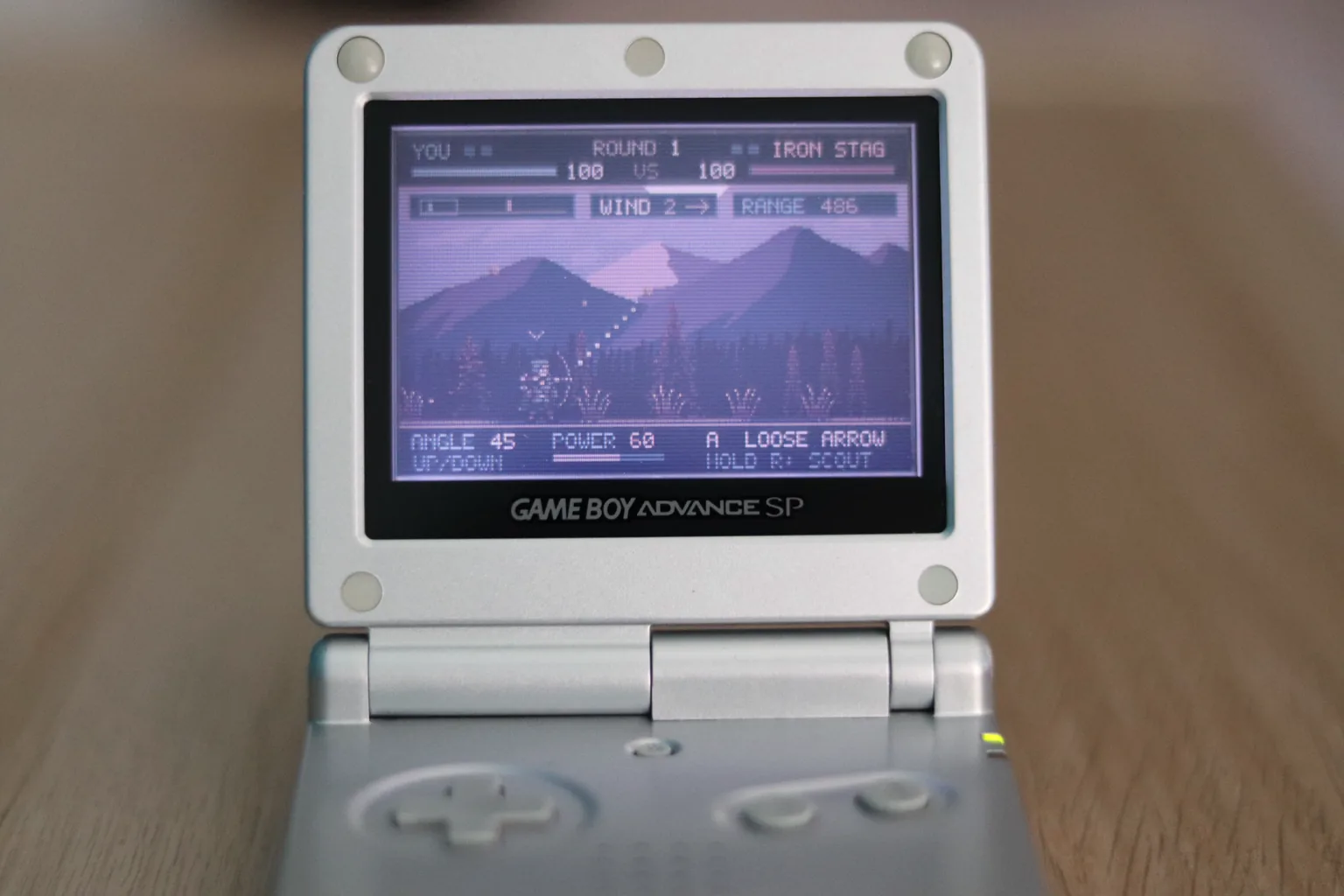
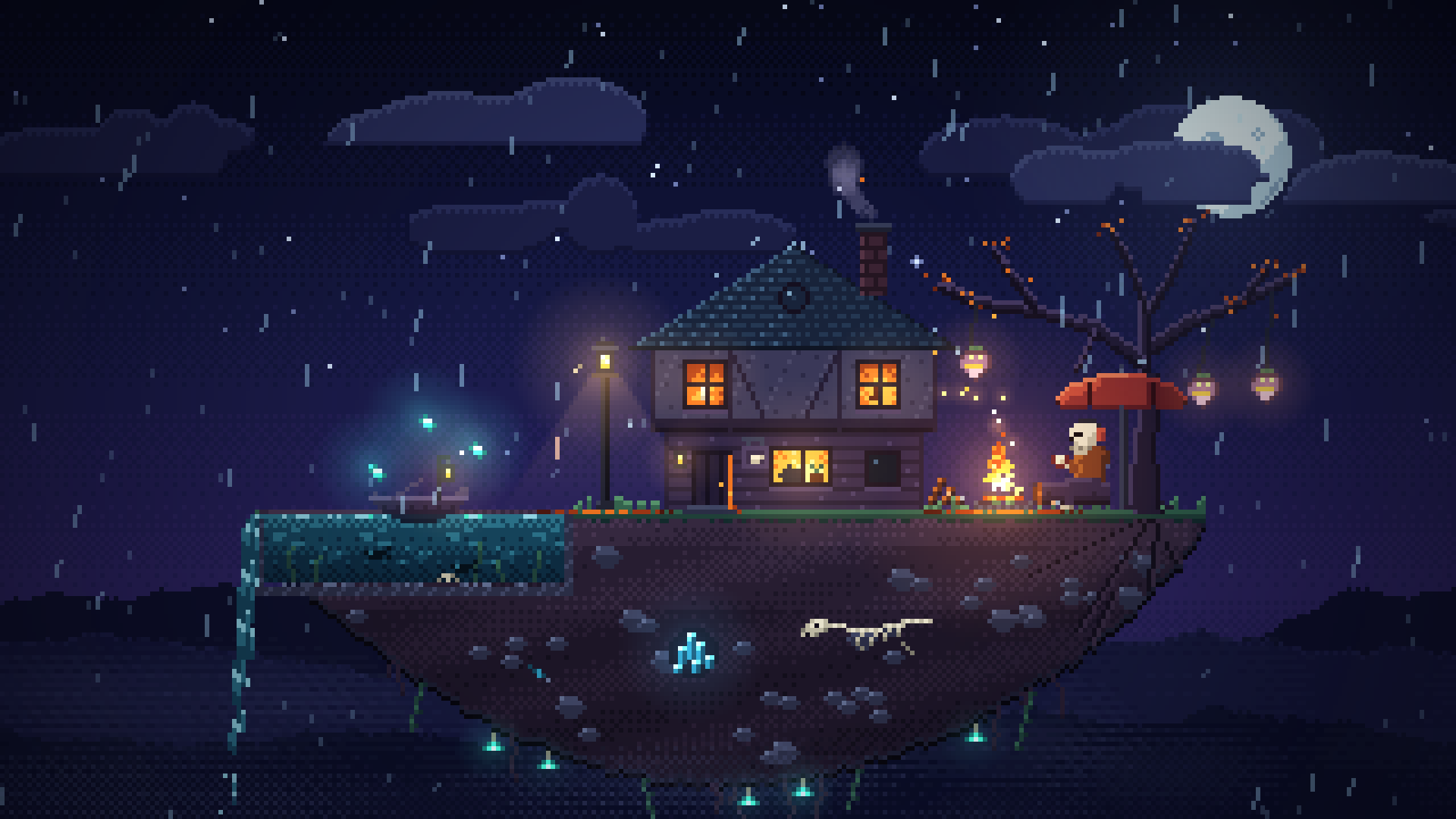
How to make (good) pixel art effects with Claude
Hugo -
Nowadays, a lot of folks want you to believe you can one-shot great results in game development with AI. "Just use this skill.md", "Just copy that prompt". Eeeh... no, especially when it comes to pixel art VFX. If you want great results, you need to put in the work. Here are the things I've noticed so far that have impacted my results the most.
1. Code is clay
Code is remarkably well suited for creating pixel art effects: I found image sprites way too rigid and limiting. And since it's all code, you don't need extra tools or paid services to get the job done, beyond a frontier coding agent like Claude Code or Codex.
So the first thing that helped me was to treat code as clay. Every time you have an idea, describe it loosely, with
the art direction you have in mind. Then let your agent write 5–10 first drafts and render them as short videos in a /records directory for you to inspect.
This opens up ideas and triggers your judgment: "this is clearly the right direction". Then pick one to dig into, refine its details, and repeat until you've narrowed it down to the exact vision you have in mind.
As a starting point, I've open-sourced some pixel art effects you can give your agent to use as references, tweak, or build new effects from.
2. Trust. Your. Eyes
This is very important: it's on you to set the quality bar.
It is totally possible to settle for a half-assed result, and also totally possible to make something great. Be picky! Ask to rework specific details, go back and forth to get that motion design just right.
Trust your eyes. Does it feel right? What could make it more balanced? What could make it more pleasing in terms of motion and timing? For my Destroy Any Website game, the first version of the MIRV rocket launcher came together quite fast, but I iterated on it for hours to get it perfect. I could have totally shipped the v1 and moved on to the next task, but I didn't: I wanted it exactly the way I pictured it.
3. What are your references?
Your taste is built from your references.
I strongly recommend closing your laptop and reading about design, film, photography, all kinds of art. It will wake up your sense of "I like that, but why?", "this works", "this would be amazing for this idea", etc.
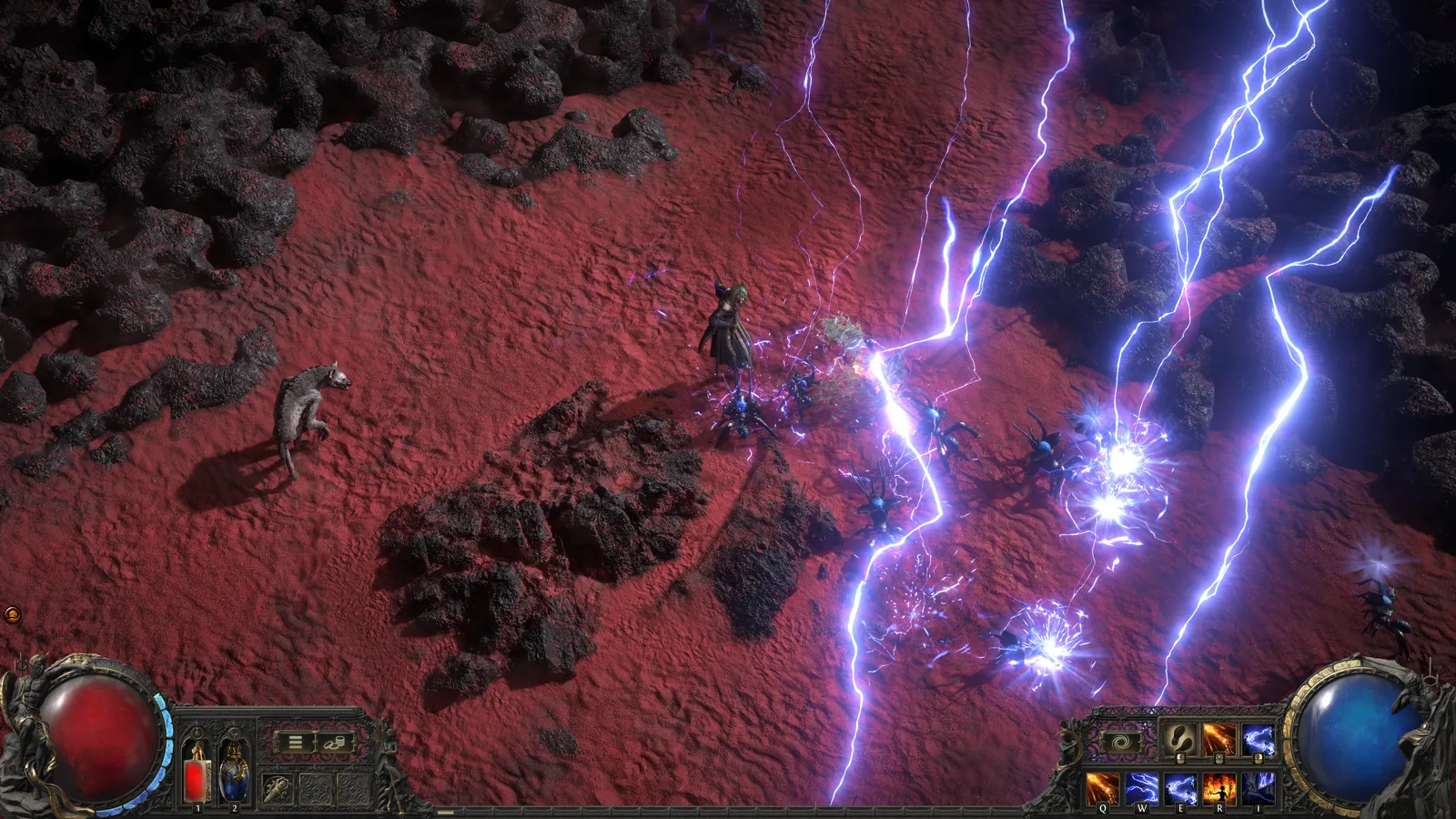
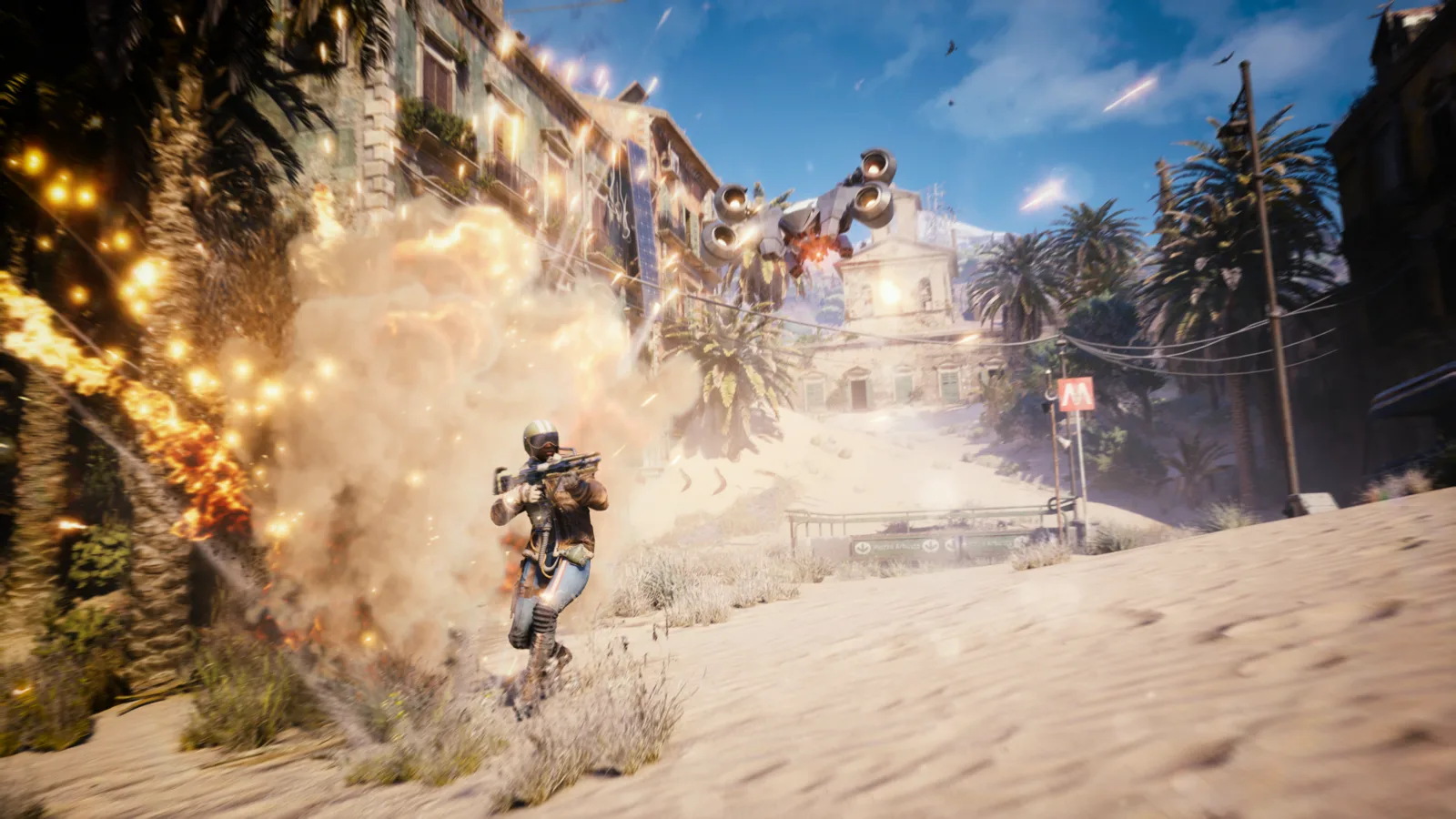
Also, play some games with a student's eye. I spent some time in Path of Exile 2 trying to understand how they made such wonderful visual effects, and did the same with Arc Raiders for destruction and fire. An hour not working on your game but feeding your judgment is time well invested.
Conclusion
In short, it all boils down to one question: do you care about your game? You surely do! So just take your time, have fun playing with details, and only green-light things once they meet your quality bar. Set it as high as you can.
Want a head start? Grab some of the open source effects and start shaping your own from them.
Ice
Download codeSpikes, a frost nova, crystals, shattering blocks, frozen characters.
Energy
Download codeCharged orbs, beams, plasma orbs and bolts.
Heal & Mana
Download codeHealing crosses, or mana drops, rising round the character.
Power Up
Download codeA buff aura gripping the character's own outline.